Probation is often viewed as a second chance. Instead of serving time in jail or prison, a person is allowed to remain in the community under court-ordered conditions. While probation offers more freedom than incarceration, it also comes with strict rules. When those rules are not followed, even unintentionally, it can result in what is known as a probation violation.
Understanding what a probation violation is and how it happens is important because many people violate probation without realizing they are doing anything wrong. In many cases, the violation is not related to committing a new crime but to failing to meet one of the court’s conditions.
Understanding Probation in Simple Terms
Probation is a legal status imposed by a court after a criminal conviction or as part of a plea agreement. Instead of jail time, or sometimes after a short jail sentence, the court allows the individual to live in the community while following specific rules. These rules are designed to promote accountability, rehabilitation, and public safety.
Probation can be supervised or unsupervised. Supervised probation requires regular check-ins with a probation officer, while unsupervised probation still involves court-ordered conditions but less direct monitoring. Regardless of the type, probation is not optional. Every condition is legally enforceable, and failure to comply can have serious consequences.
What Is a Probation Violation?
A probation violation occurs when a person on probation fails to follow one or more of the conditions ordered by the court. The violation can be technical or substantive. A technical violation involves breaking a rule of probation that does not involve a new criminal offense. A substantive violation occurs when the individual commits a new crime while on probation.
The court does not need proof beyond a reasonable doubt to determine a probation violation. Instead, the judge typically applies a lower standard of proof, which makes probation violations easier to establish than new criminal charges.
Common Ways Probation Violations Happen
Many probation violations occur during everyday life rather than through serious misconduct. One common cause is missed appointments. Failing to meet with a probation officer, missing court dates, or neglecting required check-ins can quickly trigger a violation.
Another frequent issue involves failure to complete court-ordered requirements. These may include community service, counseling, substance abuse treatment, anger management classes, or educational programs. Even partial completion or late completion can be treated as noncompliance.
Drug and alcohol violations are also common. Probation often includes conditions that prohibit alcohol use or illegal drugs. Failing a drug test, refusing a test, or even being present where drugs are used can result in a violation.
Financial obligations play a role as well. Courts frequently require fines, restitution, or probation fees. Falling behind on payments without court approval can be considered a violation, even if the individual is experiencing financial hardship.
Travel restrictions are another area where violations occur. Some probation terms limit travel outside a city, county, or state. Traveling without permission, even for family emergencies or work opportunities, can lead to a violation.
New Criminal Charges While on Probation
One of the most serious probation violations happens when a person is arrested or charged with a new offense. Even if the new charge is later dismissed, the arrest alone can still trigger a probation violation hearing. Courts often treat new alleged criminal behavior as a breach of trust, regardless of the outcome of the new case.
This is especially important because probation violation proceedings move faster than regular criminal cases and may result in immediate consequences.
How Probation Violations Are Discovered
Probation violations are usually identified through probation officer reports, law enforcement contact, failed drug tests, or court record reviews. In some cases, employers, treatment providers, or electronic monitoring systems alert probation officers to potential violations.
Once a violation is suspected, the probation officer may file a petition or report with the court outlining the alleged noncompliance. This typically leads to a probation violation hearing.
What Happens After a Probation Violation Is Alleged?
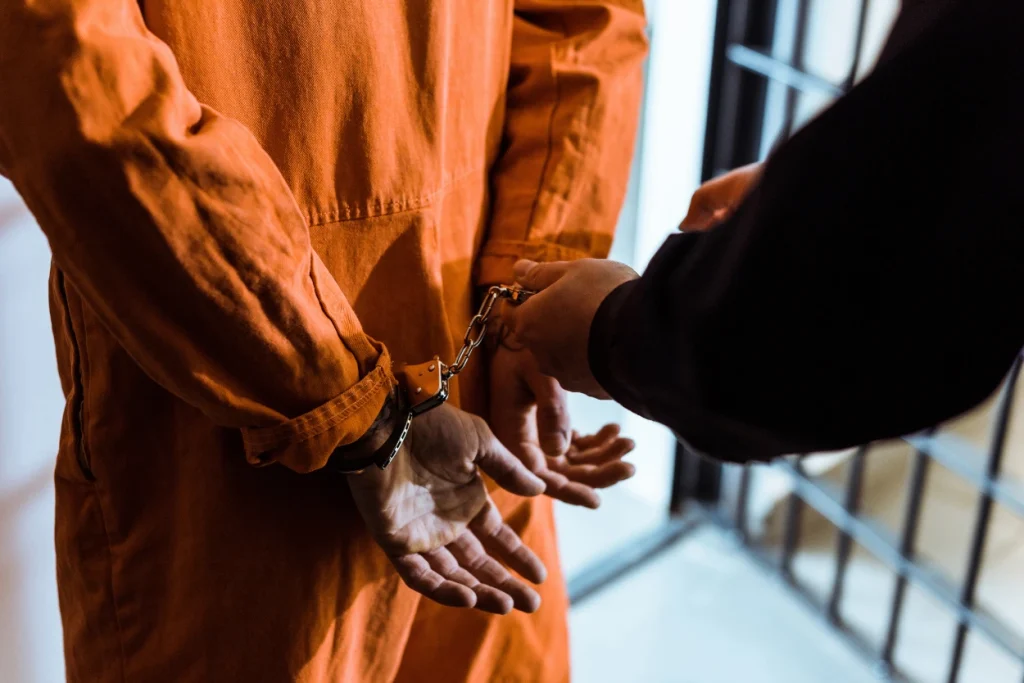
After a violation is alleged, the court may issue a summons or a warrant. A summons requires the individual to appear in court on a scheduled date, while a warrant can lead to immediate arrest.
At the violation hearing, the judge reviews the evidence and determines whether a violation occurred. Because probation is considered a privilege rather than a right, judges have broad discretion when deciding how to respond.
Possible outcomes range from reinstating probation with warnings to modifying conditions, extending the probation period, or imposing jail or prison time. The severity of the response often depends on the nature of the violation, prior compliance history, and whether public safety is at risk.
Why Some Violations Happen Without Intent
Not all probation violations result from deliberate wrongdoing. Misunderstanding probation terms is a common issue. Court orders can be confusing, especially when conditions are numerous or poorly explained. Language barriers, mental health challenges, and lack of transportation can also contribute to unintentional violations.
Life circumstances such as job loss, illness, or family emergencies may interfere with a person’s ability to comply, even when they are making a good-faith effort. Unfortunately, the court may still treat these situations as violations unless they are properly addressed through the legal process.
The Long-Term Impact of a Probation Violation
A probation violation can have lasting consequences. It can lead to incarceration, longer supervision periods, stricter conditions, or a permanent mark on court records. Repeated violations may also reduce future opportunities for probation or alternative sentencing.
Understanding how probation works and how violations occur is critical for anyone currently on probation or facing sentencing. Awareness can help individuals recognize risks early and avoid mistakes that could escalate into serious legal consequences.
Final Thoughts on Probation Violations
Probation violations are more common than many people realize, and they do not always involve new criminal behavior. Missed appointments, misunderstandings, and life disruptions often play a significant role. Because probation is closely monitored and enforced, even small missteps can lead to major consequences.
Learning how probation operates and how violations happen is an important step toward navigating the criminal justice system more safely and responsibly.